

Hear from Our Customers
You’ve noticed the smell. Maybe you’ve seen discoloration on a wall or around a window. Or maybe someone in your house has been dealing with unexplained respiratory issues that won’t go away.
Whatever brought you here, you need to know what’s actually happening. Not a sales pitch. Not a worst-case scenario designed to empty your wallet. Just honest testing that identifies the type of mold, the concentration levels, and whether it’s a health risk or something you can manage.
Professional mold testing gives you a baseline. We collect air and surface samples from your home, send them to an independent certified lab, and compare the results to outdoor mold levels. That tells us if what’s inside is normal or if there’s active contamination that needs attention. You get a detailed report within 3-5 business days that explains the findings in plain language and outlines your next steps.
We’ve been serving Bucks County and surrounding Pennsylvania communities for years. We understand the climate here—humid summers, damp basements, older homes with hidden moisture issues. These aren’t just talking points. They’re the conditions that create mold problems in Violet Wood, PA homes every season.
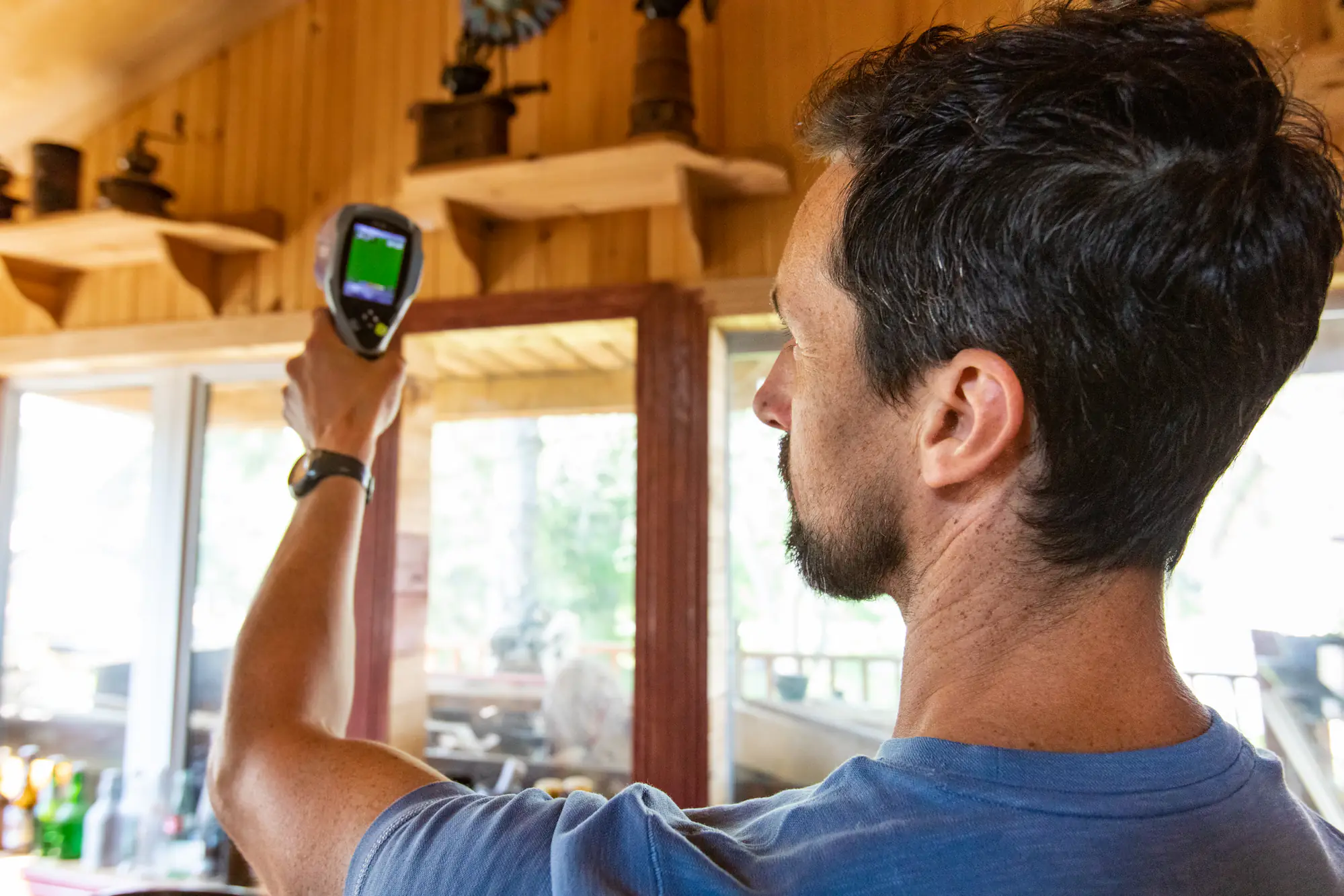
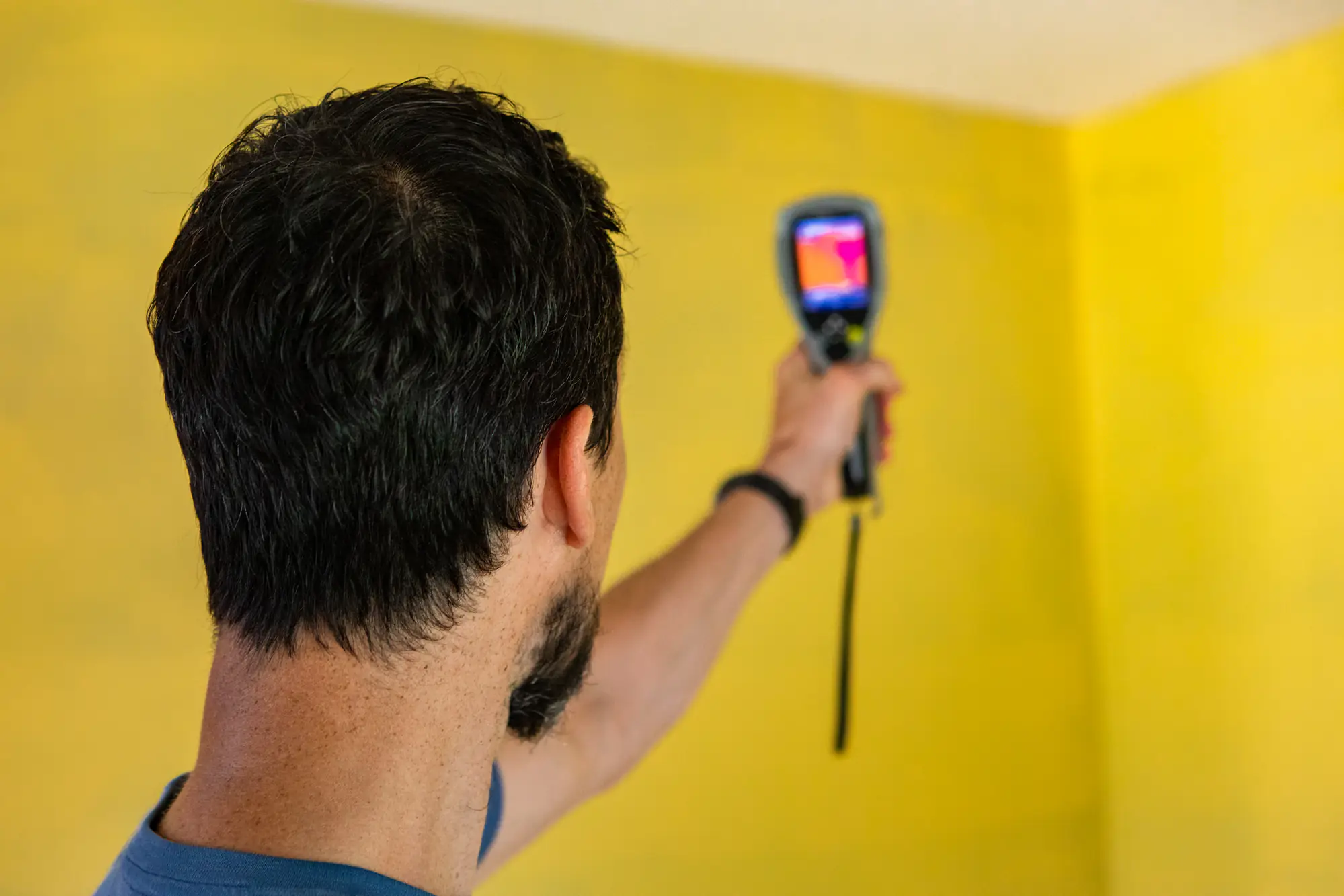
Our team uses thermal imaging cameras, moisture meters, and air sampling equipment to find mold where it actually grows—not just where it’s visible. We’re certified, we follow EPA standards, and we work directly with your insurance company when coverage applies.
You’re not hiring a national franchise. You’re working with local mold testing professionals who know what to look for in Pennsylvania homes and how to communicate findings without the runaround.
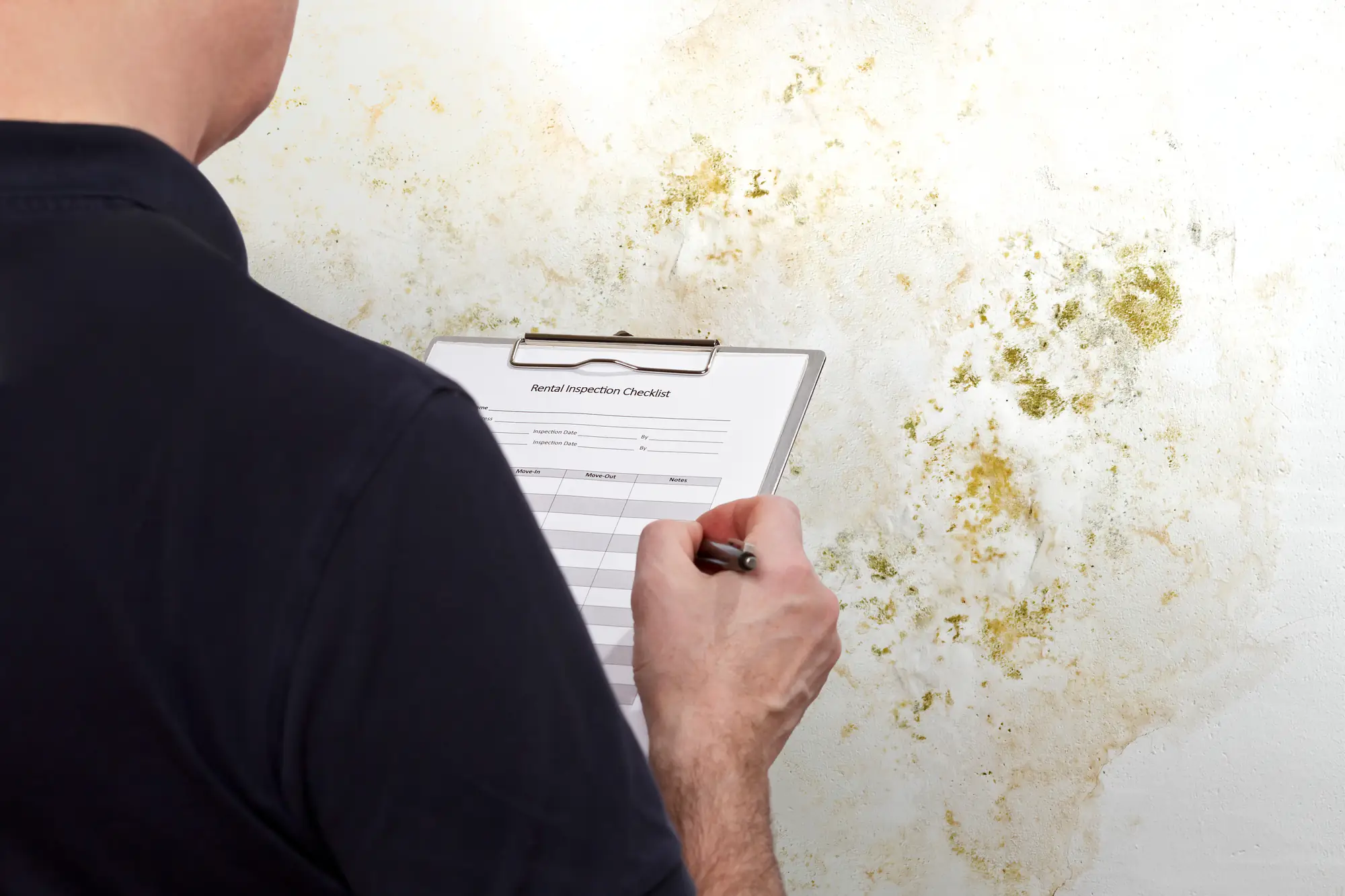
We start with a visual inspection of your home. That means checking the usual suspects—basements, bathrooms, around windows, near plumbing, HVAC systems—and using moisture meters and thermal imaging to detect problems behind walls or under flooring.
Next, we collect samples. Air sampling captures airborne mold spores. Surface sampling tests visible growth or suspicious areas. These samples go to an independent lab that identifies the specific mold species and measures concentration levels against outdoor baselines.
You receive a full report that breaks down what was found, what it means for your health, and whether remediation is necessary. If mold levels are elevated, we explain the scope of the problem and walk you through your options. If levels are normal, you get peace of mind without unnecessary work. Either way, you know exactly where you stand.
Ready to get started?
Every mold testing appointment includes a thorough inspection of your property using advanced detection equipment. We’re looking for visible mold, hidden moisture, and conditions that support mold growth. That means checking areas most homeowners never think about—crawl spaces, attic insulation, behind appliances, inside ductwork.
In Violet Wood and across Bucks County, we see the same patterns. Basements with poor ventilation. Older homes with outdated plumbing. HVAC systems that haven’t been maintained. Pennsylvania’s increased precipitation over the last decade has made these issues worse. Homes that used to stay dry now deal with humidity levels that encourage mold and mildew.
Our testing process accounts for that. We measure indoor humidity, check for active leaks, and identify the root cause—not just the symptoms. The lab analysis tells you what species of mold are present, whether they’re toxic, and how they compare to normal outdoor levels. From there, you get a clear recommendation: monitor the situation, improve ventilation, or move forward with remediation.
Most professional mold inspections in Pennsylvania run between $300 and $800, depending on the size of your home and how many samples need to be collected. That might sound like a lot upfront, but compare it to the alternative.
Undetected mold can cost anywhere from $3,000 to $20,000 to remediate once it spreads. It can reduce your home’s value by 20-37%. And if you’re trying to sell, buyers will walk the moment mold shows up on an inspection report.
Testing gives you early detection. It tells you whether you’re dealing with a small issue that can be managed or a larger contamination that needs immediate attention. Either way, you’re making decisions based on facts, not guesswork.
A mold inspection is the visual assessment. We walk through your home, check for visible mold, use moisture meters and thermal imaging to detect hidden problems, and identify conditions that support mold growth.
A mold test involves collecting samples—either from the air or from surfaces—and sending them to a lab for analysis. The lab identifies the specific mold species, measures concentration levels, and compares indoor levels to outdoor baselines.
Most homeowners need both. The inspection finds the problem areas. The test confirms what’s growing and whether it’s a health risk. Together, they give you a complete picture of what’s happening in your home and what needs to be done about it.
Lab results typically come back within 3-5 business days. The samples we collect during your inspection are sent to an independent certified lab that specializes in mold analysis.
Once the results are in, we walk you through the report. You’ll see exactly what mold species were detected, the concentration levels in each area we tested, and how those levels compare to outdoor air. We explain what the findings mean for your health and your home.
If remediation is needed, we outline the scope of work and give you an upfront estimate. If levels are normal, you get confirmation that what you’re seeing or smelling isn’t a major contamination issue. No waiting weeks for answers. No vague explanations. Just clear information you can act on.
You can buy DIY mold test kits, but they won’t give you the full picture. Most consumer kits only test one or two areas, and they don’t account for hidden mold growth behind walls, in ductwork, or under flooring.
Professional mold testing uses air sampling to measure airborne spore levels throughout your home and surface sampling to test visible growth or suspicious areas. We use moisture meters and thermal imaging to detect problems you can’t see. The samples go to a certified lab that identifies specific mold species and measures concentration levels against outdoor baselines.
That level of detail matters. Not all mold is toxic, but some species—like black mold—can cause serious health problems with long-term exposure. A professional inspection tells you what you’re dealing with, where it’s coming from, and whether it’s something you need to address immediately or monitor over time.
The most obvious sign is visible mold growth—black spots on walls, discoloration around windows, fuzzy patches in corners. But mold doesn’t always show itself that clearly.
A musty smell that won’t go away is a red flag. So are unexplained health symptoms: chronic coughing, sneezing, itchy eyes, respiratory issues that get worse at home and improve when you leave. If someone in your household has asthma or allergies that suddenly flare up, mold could be the trigger.
Water damage is another indicator. If you’ve had a leak, flooding, or even high humidity in your basement, mold can start growing within 24-48 hours. Pennsylvania’s humid climate makes that timeline even shorter. Even if you don’t see mold, it could be growing behind drywall, under carpets, or inside your HVAC system. A professional mold test finds it before it becomes a bigger problem.
It depends on the cause. If the mold is the result of a covered event—like a burst pipe, roof leak, or storm damage—your homeowners insurance may cover the inspection and remediation. If it’s from long-term neglect, poor ventilation, or ongoing moisture issues, most policies won’t cover it.
The key is documenting everything. If you’ve had recent water damage, file a claim as soon as possible and request a professional mold inspection. We work directly with insurance companies to simplify the process and provide the documentation they need.
Even if insurance doesn’t cover the testing, it’s worth the investment. Mold spreads fast, and the longer you wait, the more expensive remediation becomes. A $500 inspection now could save you $10,000 in repairs later. And if you’re dealing with health symptoms or planning to sell your home, you need to know what’s growing before it becomes a liability.
Other Services we provide in Violet Wood